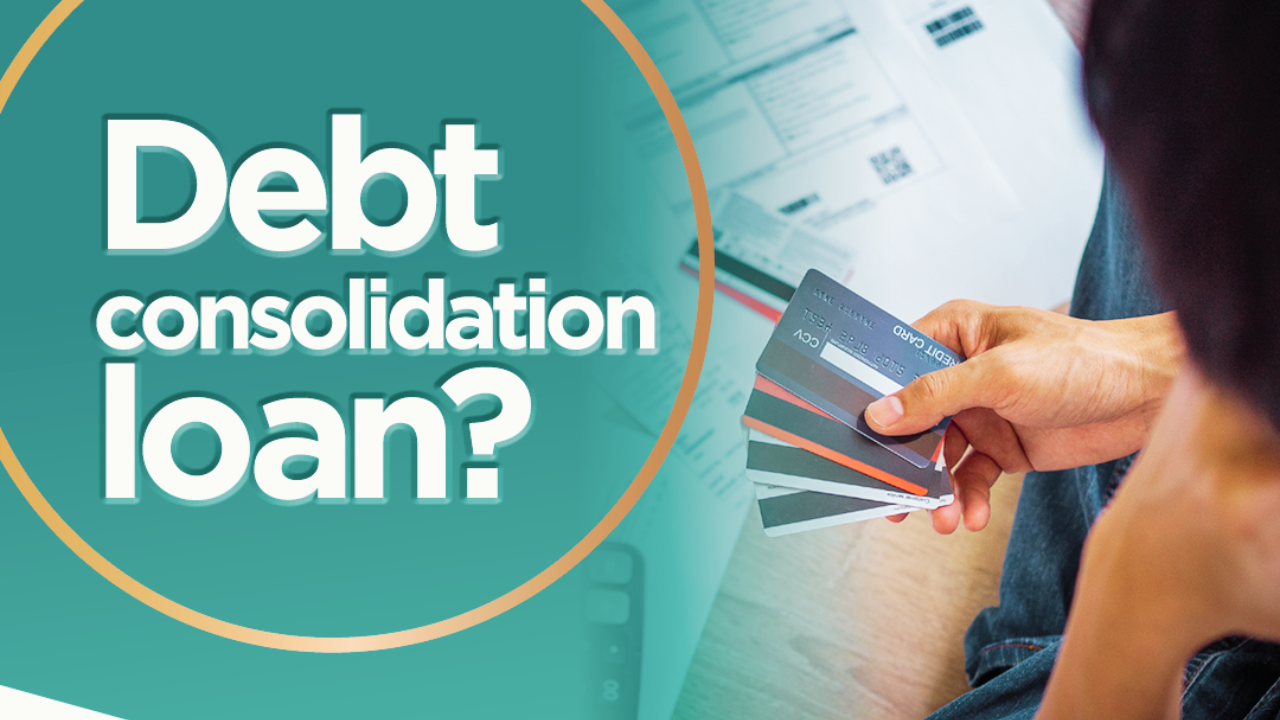
Credit card debt has a particular kind of gravity. With average card APRs sitting above 20%, minimum payments barely dent the principal, and a balance that took one bad year to build can take a decade to escape. Debt consolidation promises a way out: replace five high-interest balances with one lower-interest loan and one fixed payment. Sometimes it delivers exactly that. Sometimes it just rearranges the debt while it keeps growing. The difference is entirely in how you use it.
How Consolidation Works
The mechanics are straightforward. You take out a personal loan, ideally at a much lower rate than your cards, and use it to pay them off in full. Now you owe one lender, one fixed monthly payment, with a defined end date, usually two to five years out.
That end date is psychologically underrated. Credit cards are designed to be revolving and eternal. A consolidation loan is designed to die, and watching a payoff date approach changes behavior in ways a minimum payment never will.
The Math That Makes It Worth Doing
Suppose you carry $20,000 across several cards at an average 22% APR. Consolidate that at 11% over four years and you’ll save thousands in interest while converting an open-ended slog into a fixed 48-month plan. The savings scale with the gap between your card rates and your loan rate, which is why your credit score matters so much here.
If your credit is strong, also look at 0% balance transfer cards, which offer 12 to 21 months interest-free for a transfer fee of 3% to 5%. For debt you can genuinely eliminate within that window, a balance transfer often beats a loan outright. For larger balances that need years, the fixed loan usually wins.
The Trap That Catches Half of Borrowers
Here is the uncomfortable part. Consolidation pays off your credit cards but doesn’t close the spending gap that created the debt. The classic failure mode: consolidate $20,000, feel relieved, keep using the now-empty cards, and end up eighteen months later with the loan payment plus new card balances. You’ve doubled the problem.
If you take a consolidation loan, treat the freed-up cards as radioactive. Keep one for emergencies with the card itself out of your wallet, and build even a small monthly surplus into your budget. Consolidation is surgery. The budget is the recovery plan, and skipping recovery undoes the surgery.
Options Beyond a Loan
If your credit score is too low for a decent loan rate, a nonprofit credit counseling agency can enroll you in a debt management plan, negotiating lower rates with your card issuers for a small monthly fee. Be very cautious with for-profit “debt settlement” companies that tell you to stop paying your creditors; that route wrecks your credit and frequently ends in lawsuits. Homeowners sometimes consider home equity loans for consolidation, but converting unsecured card debt into debt secured by your house raises the stakes considerably.
What Consolidation Does to Your Credit Score
Borrowers often worry a consolidation loan will hurt their credit. Expect a small, temporary dip from the hard inquiry and the new account. After that, the effects usually turn positive: your credit card utilization drops to near zero once the balances are paid, which is one of the biggest factors in your score, and a string of on-time loan payments builds history. The key is leaving the old card accounts open but unused, since closing them shrinks your available credit and can push utilization back up. Handled this way, many people see their scores higher within six months to a year than before they consolidated.
The Bottom Line
A debt consolidation loan is a powerful tool when three things are true: the new rate is meaningfully lower, the payment fits your real budget, and you’ve fixed the spending leak underneath. Get prequalified quotes from several lenders, avoid origination fees where possible, and be brutally honest about that third condition. The loan can buy you a cheaper path out of debt, but only you can decide to walk it.